
Dry Eye Treatment in NYC
Modern in-office procedures for refreshing your vision and ocular health.
Look good. Feel good. See good.
Dry, burning, tired eyes aren’t just an inconvenience — they can take over (or ruin) your entire day. From subway commutes and office screens to winter wind tunnels and allergy season, your eyes are constantly pushed to their limits. We take Dry Eye seriously because it affects everything: how you see, how you feel, and how you show up in your daily life.
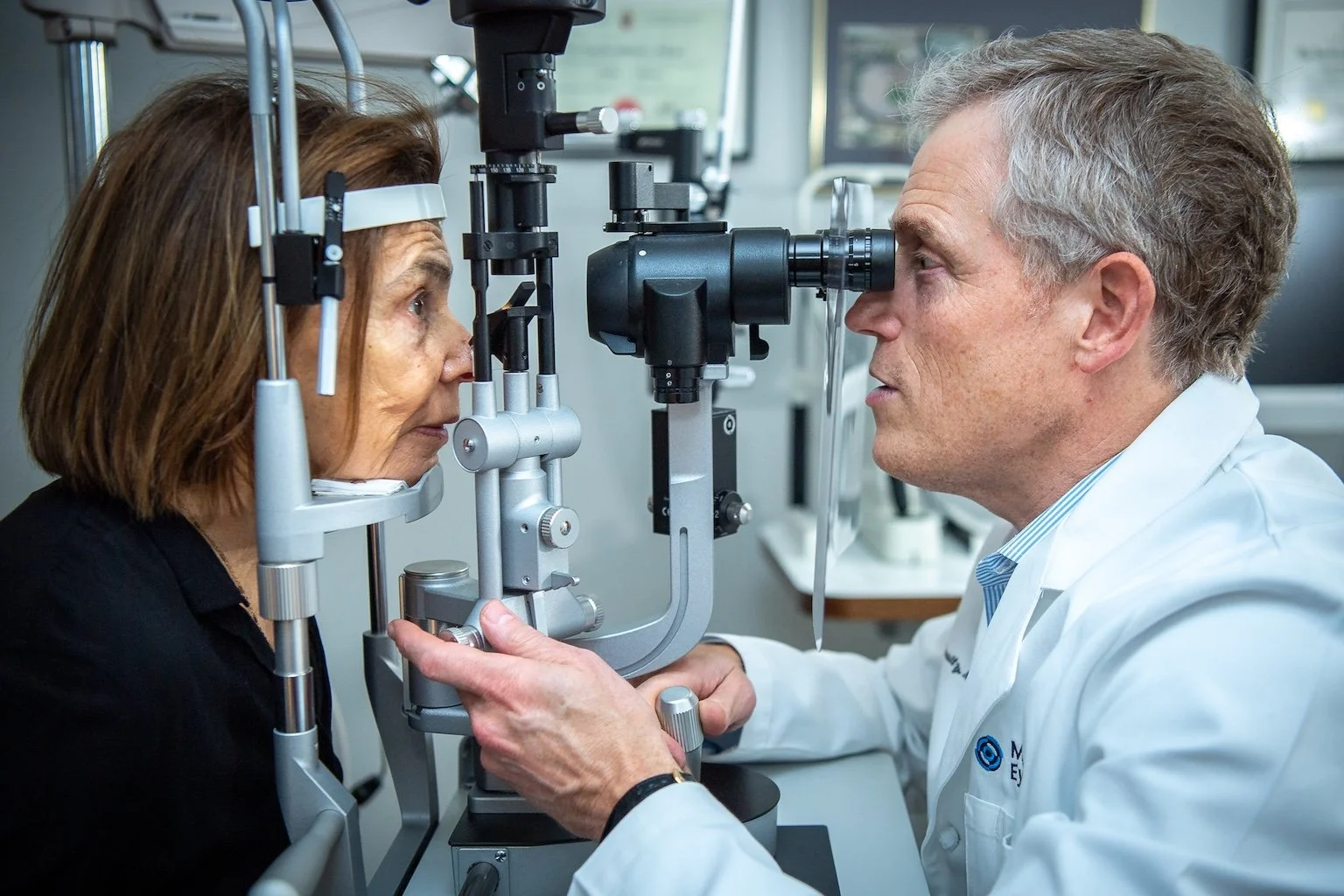
Here, dry eye treatment for Meibomian Gland Dysfunction (MGD) and other causes isn’t an add-on. It’s a core focus of Dr. Moskowitz, a dry eye specialist and board certified ophthalmologist. Now, with OptiLIGHT™ IPL and OptiLIFT™ technologies, we’re better equipped than ever to effectively treat MGD and rewind the clock on dry and tired eyes.

Why Dry Eye Happens
Dry Eye Syndrome develops when your tears don’t hydrate the surface of the eye properly. That can happen for a few reasons:
Meibomian Gland Dysfunction (MGD): The most common cause of dry eye syndrome — the tiny oil glands along your eyelids get blocked or inflamed.
Environment: Things like wind, indoor heat, A/C, allergens, and urban pollution that New Yorkers deal with daily.
Digital Eye Strain: Long hours on laptops, phones, and monitors reduce how often you blink.
Age, hormones, contact lenses, cosmetics, or previous eye surgery.
No matter the cause, the result is the same: the tear film breaks down too quickly, leaving your eyes burning, gritty, watery, or blurry (especially toward the end of the day).
How We Treat Dry Eye & MGD
Our treatment plans combine state-of-the-art in-office technology, medical management, and lifestyle adjustments tailored to city living.
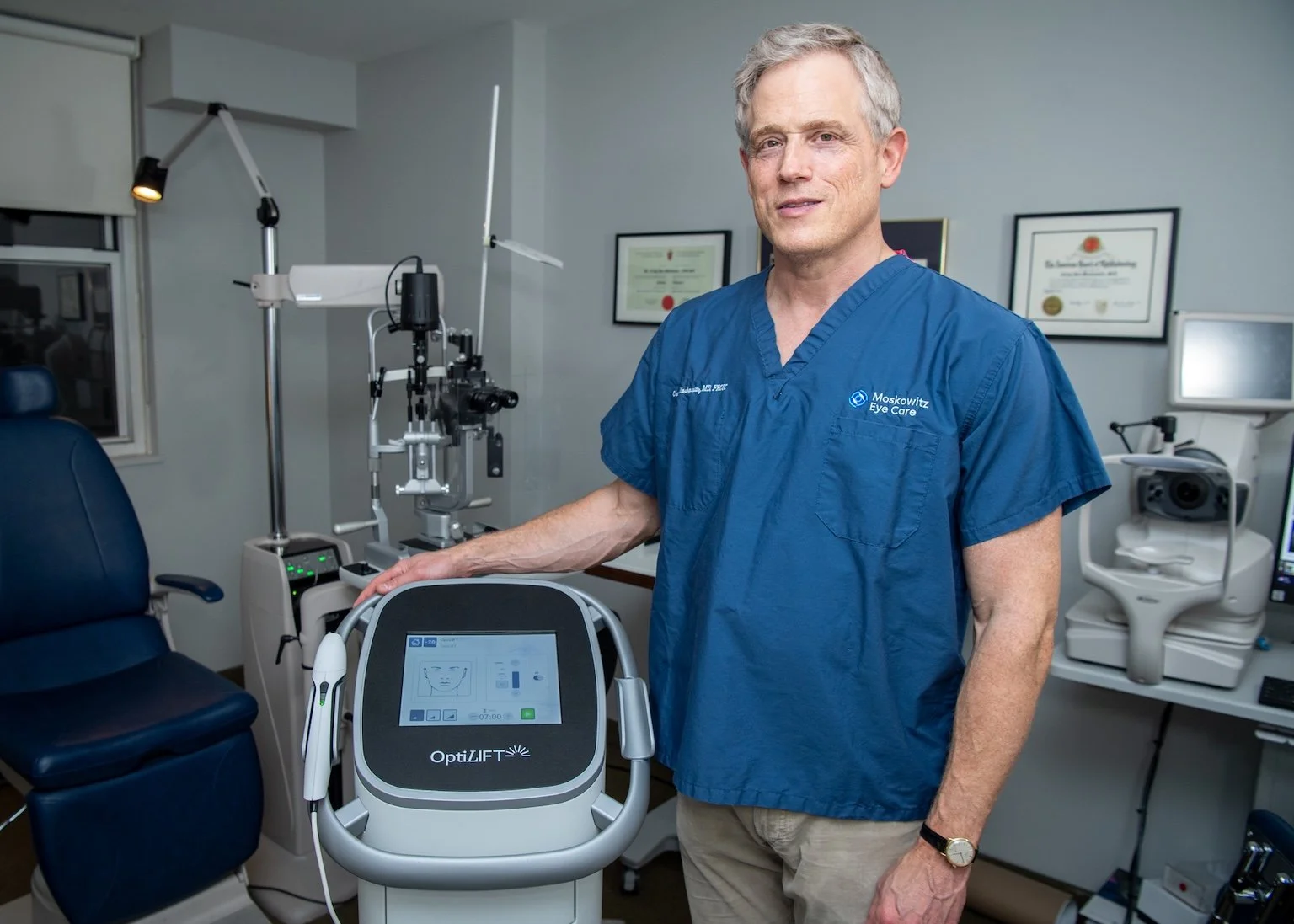
OptiLIGHT and OptiLIFT offer the fastest, longest-lasting relief for individuals seeking immediate, non-invasive functional and cosmetic improvements. Learn more about these state-of-the-art technologies below!

OptiLIGHT™ IPL
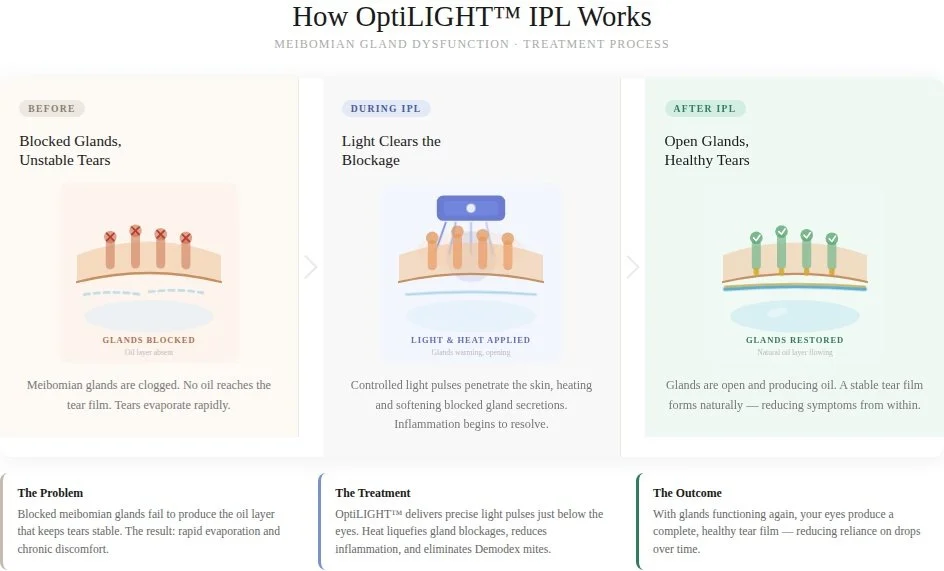
Treating MGD at Its Source
Dry Eye affects how you see, how your eyes feel, and how rested you look. Enter OptiLIGHT, the first and only FDA-approved IPL for dry eye due to MGD. IPL Therapy reduces inflammation, improves oil gland function, and stabilizes the tear film.
OptiLIFT™
Strengthening Lids, Improving Blinking, and Refreshing Appearance
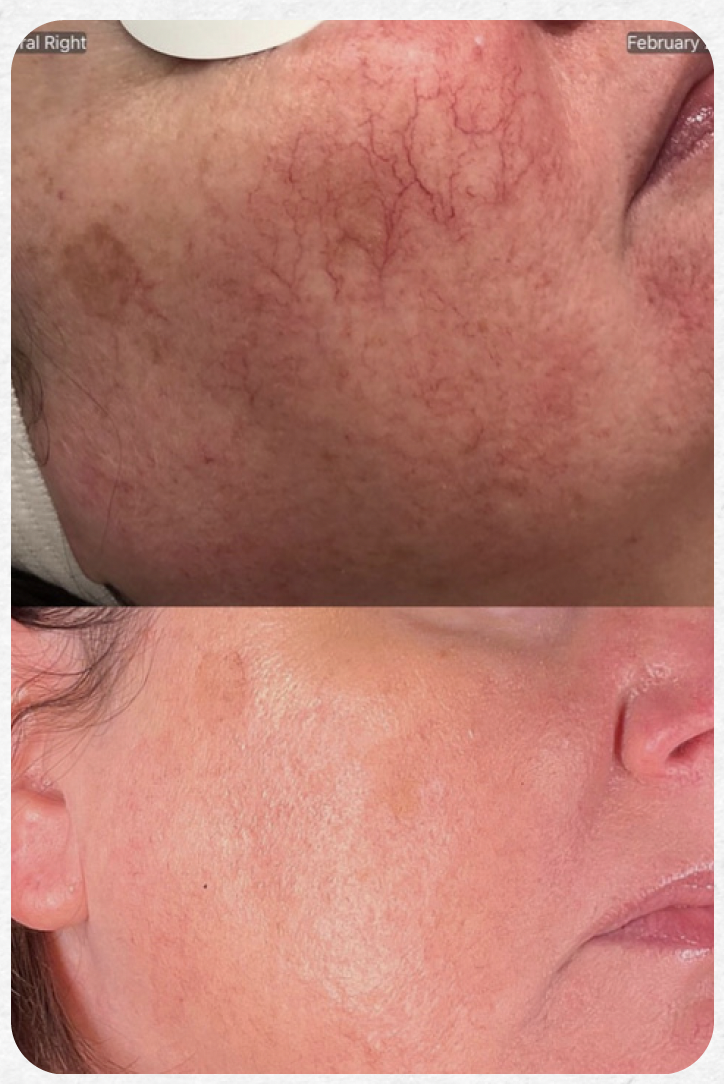
Using Muscle Stimulation and Radiofrequency, OptiLIFT targets eyelid laxity and blink mechanics — two overlooked but major contributors to chronic dry eye. Plus, it gently rejuvenates the area around the eyes.
NYC Dry Eye Treatment Insights & Guides


Treatment by a NYC Dry Eye Specialist MD
Other Treatment Options Dr. Moskowitz May Recommend
Prescription drops or anti-inflammatory medications
Lid hygiene routines (cleansing, warm compresses, gland expression)
Contact lens modifications
Nutritional support (omega-3s, hydration habits)
Screen-use coaching based on our recent basic eye care guide for New Yorkers
Environmental strategies for home, office, and on-the-go
Dr. Moskowitz builds every plan around your symptoms, your anatomy, and your daily reality — whether you’re spending hours under fluorescent office lights or hopping between multiple screens on the job.
Why Choose Us for Dry Eye Treatment?
A Dry Eye focused practice run by a MD
A safety-first philosophy for every treatment, surgical or non-surgical.
A boutique level of attention — longer visits, deeper testing, real solutions.
Leading-edge therapies like OptiLIGHT and OptiLIFT that improve comfort and support a more youthful, rested appearance.
Our goal is simple: Help your eyes feel good, work well, and look their best — every day, in the city that never stops.
You Don’t Have to Live With Dry, Tired Eyes!
If your eyes are burning, blurry, watery, or constantly fatigued, you deserve answers… and relief!
Book a dry eye evaluation with us in NYC and discover a treatment plan built around clarity, comfort, and long-term eye health.
More Info & Tips About Dry Eye Syndrome
Dry eye syndrome is caused by a chronic lack of sufficient lubrication and moisture on the surface of the eye. It is a very common condition that can be aggravated by contact lenses, aging, and the environment. There can be either a decrease in quality or quantity of the tears. Consequences of dry eyes range from mild irritation of the eyes to significant inflammation and even scarring of the front surface of the eye.
The tear film is critical to how well you will see, and a poor tear film can significantly impact your vision. The tear film is the first part of your eye that light rays encounter as they enter your eye (this is how you see), and a poor tear film throws everything off after it in the visual pathway.
What are the symptoms of dry eye syndrome?
Symptoms of dry eyes and dry eye syndrome include:
Burning sensation
Itchy eyes
Aching sensations
Heavy eyes
Fatigued eyes
Sore eyes
Dryness sensation
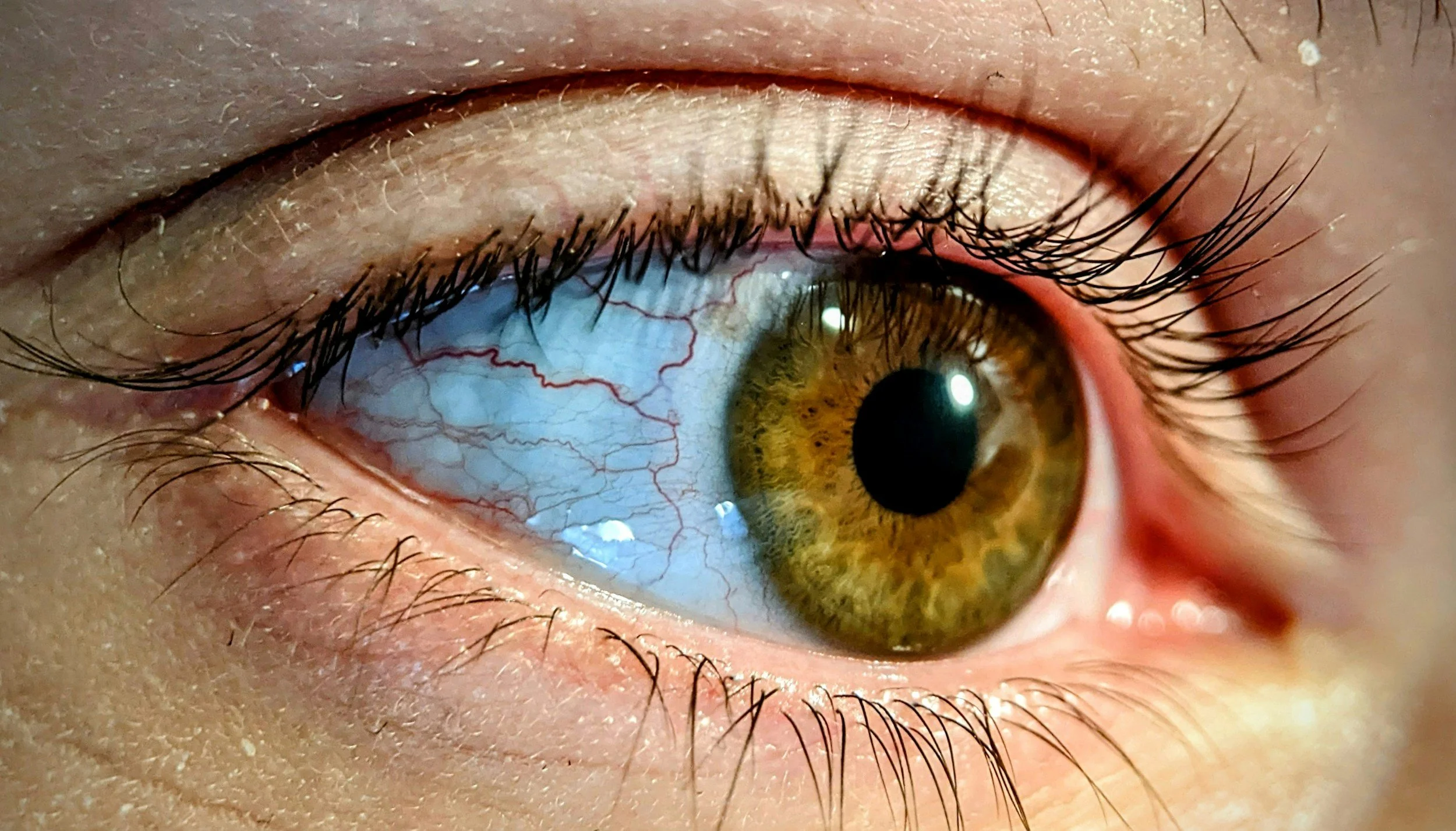
Red eyes
Photophobia (light sensitivity)
Blurred vision
Another common symptom is something called a foreign body sensation — the feeling that grit or some other object or material is “in” your eye.
And as odd as it may sound, watery eyes also can be a symptom of dry eye syndrome. This is because dryness on the eye’s surface sometimes will over-stimulate production of the watery component of your tears as a protective mechanism. But this “reflex tearing” does not stay on the eye long enough to correct the underlying dry eye condition.
In addition to these symptoms, dry eyes can cause inflammation and (sometimes permanent) damage to the surface of the eye.
What are other causes of dry eye syndrome?
A number of factors can increase your risk of dry eyes. These include:
Computer use. When working at a computer or using a smartphone or other portable digital device, we tend to blink our eyes less fully and less frequently, which leads to greater tear evaporation and increased risk of dry eye symptoms.
Contact lens wear. Though it can be difficult to determine the exact extent that contact lens wear contributes to dry eye problems, dry eye discomfort is a primary reason why people discontinue contact lens wear.
Aging. Dry eye syndrome can occur at any age, but it becomes increasingly more common later in life, especially after age 50.
Menopause. Post-menopausal women are at greater risk of dry eyes than men of the same age.
Indoor environment. Air conditioning, ceiling fans and forced air heating systems all can decrease indoor humidity and/or hasten tear evaporation, causing dry eye symptoms.
Outdoor environment. Arid climates and dry or windy conditions increase dry eye risks.
Frequent flying. The air in the cabins of airplanes is extremely dry and can lead to dry eye problems, especially among frequent flyers.
Smoking. In addition to dry eyes, smoking has been linked to serious eye problems, including macular degeneration, cataracts and uveitis.
Health conditions. Certain systemic diseases — such as diabetes, thyroid-associated diseases, lupus, rheumatoid arthritis and Sjogren’s syndrome— contribute to dry eye problems.
LASIK. Results in a decreased blink rate that causes dry eyes, a common complication.
Medications. Many prescription and nonprescription medicines — including antihistamines, antidepressants, certain blood pressure medications and birth control pills — increase the risk of dry eye symptoms.
Eyelid problems. Incomplete closure of the eyelids when blinking or sleeping — a condition called lagophthalmos, which can be caused by aging or occur after cosmetic blepharoplasty or other causes — can cause severe dry eyes that can lead to a corneal ulcer if left untreated.
The routine dry eye treatment options
Dry eyes are often a chronic condition, but our doctors can prescribe treatment to keep your eyes healthy, more comfortable, and to prevent your vision from being affected. Managing and treating dry eyes may include adding artificial tears, increasing natural tear production, and treating the inflammation of the eyelids or eye surface that contributes to the dry eyes.
If your dry eyes are severe and unresponsive to eye drops, another option is to occlude the drainage holes in your eyelids with punctal plugs. These plugs are inserted into the tiny openings in your eyelids which lead into the tear ducts. They act like a stopper in a bathtub by keeping whatever tears you make on your eye surface longer.
Insertion is an outpatient procedure done in the office. The eye is numbed with a local anesthetic, and the plug is inserted in the punctum with a tiny applicator. You should neither see nor feel the plug in the eyelid and they dissolve on their own. They are made of collagen, a naturally occurring substance in your own body.
How to prevent dry eyes before they become a bigger problem?
Blink more frequently: When using a computer, smartphone or other digital device, we tend to blink our eyes less frequently than normal, which can cause or worsen dry eye symptoms. Make a conscious effort to be aware of this, and blink more often when using these devices. Also, perform full blinks, gently squeezing your eyelids together to wash your eyes fully with a fresh layer of tears.
Take frequent breaks during computer use: A good rule of thumb here is to look away from your screen at least every 20 minutes and look at something that is at least 20 feet from your eyes for at least 20 seconds. It is called the “20-20- 20 rule,” and abiding by it can help relieve both dry eyes and computer eye strain.
Improve your diet, environment: Dry eyes symptoms are often exacerbated by alcohol and caffeine which are diuretics that dehydrate you. Increasing water intake can improve symptoms. Using a cool mist humidifier in your apartment and house can help alleviate the dry air from your heater.