
New Research Underscores that Cutting the Cornea Is the Core Flaw with LASIK
Press Release // Syndicated on July 22, 2026
Researchers at Occidental College and UC Irvine unveiled a no-incision corneal-reshaping technique, validating the no-flap approach Dr. Craig Moskowitz has used in his NYC laser vision correction practice for years
NEW YORK, NY
At the American Chemical Society's Fall 2025 meeting, researchers from Occidental College and UC Irvine unveiled a technique that has the ophthalmology world paying attention. Using a mild electric current to temporarily alter the pH of the cornea, their method, called Electromechanical Reshaping (EMR), reshaped the corneas of rabbit eyes in under sixty seconds, correcting nearsightedness in 10 of 12 subjects. There were no scalpels, no incisions made, no tissue removed, and even no laser involved.
"LASIK is just a fancy way of doing traditional surgery," said lead researcher Michael Hill, a professor of chemistry at Occidental College. "It's still carving tissue, it's just carving with a laser."
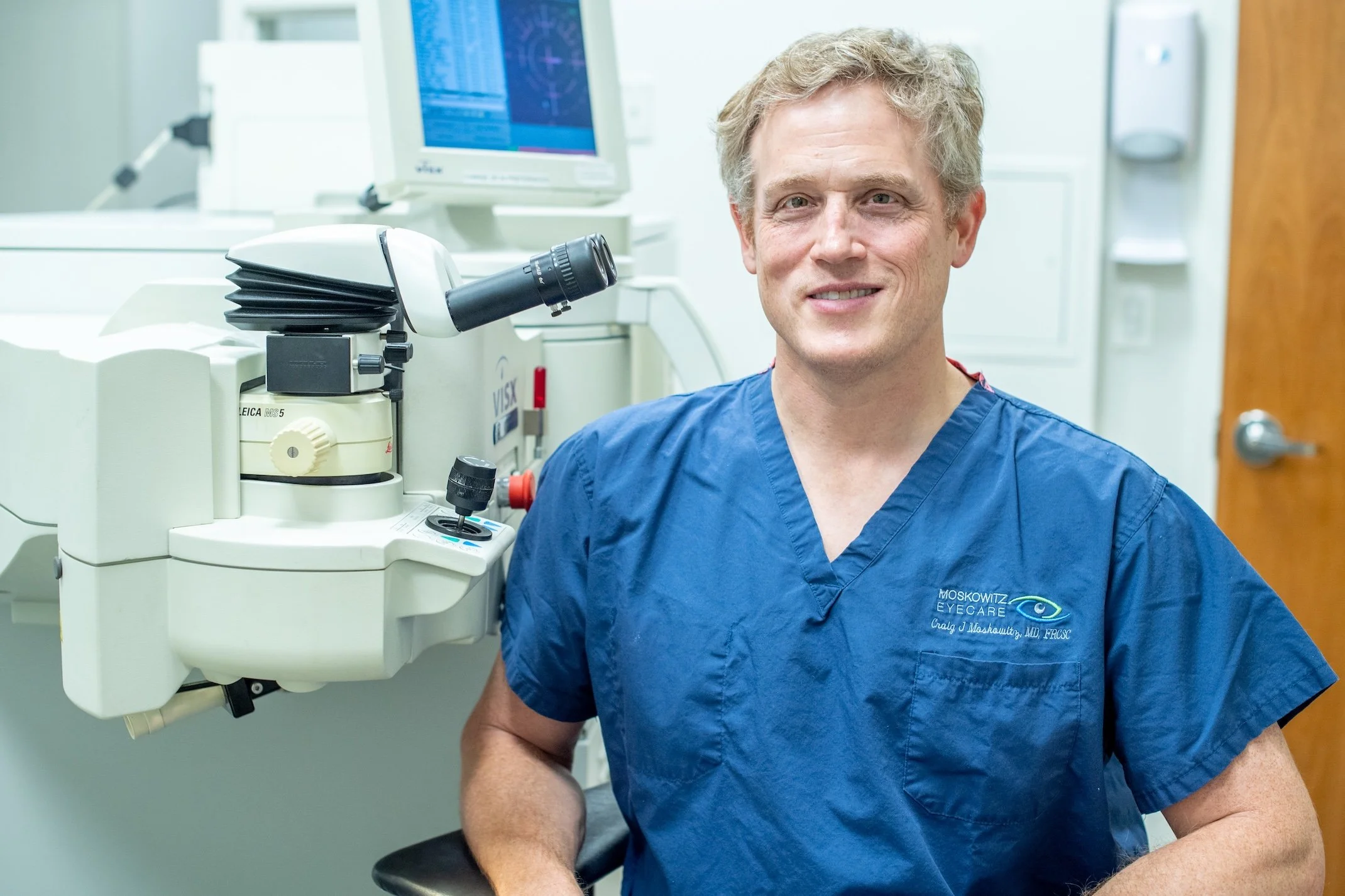
Hill’s remarks resonated with Dr. Craig Moskowitz, a NYC-based ophthalmologist and founder of Moskowitz Eye Care.
"I've been saying a version of that sentence in consultations for over a decade," says Dr. Moskowitz. "The moment I read it, I thought: finally, someone outside of the typical echo chamber is saying it out loud. The unsolvable problem with LASIK is the cutting and creation of the flap."
To this end, what makes the EMR research notable is not just its promise as a future treatment but also what it reveals about the present. The research team's motivation behind developing EMR was straightforward: LASIK's side effect profile is significant enough that it warrants building a new approach from scratch, one that avoids corneal incision altogether.
That same logic is what led Dr. Moskowitz, a former LASIK surgeon, to specialize in Advanced Surface Ablation (ASA) instead. ASA is a no-cut, no-flap laser vision correction procedure that gently loosens the corneal epithelium (the outermost cellular layer) rather than cutting into the tissue. The excimer laser then reshapes the exposed corneal surface, preserving the structural integrity of the cornea.
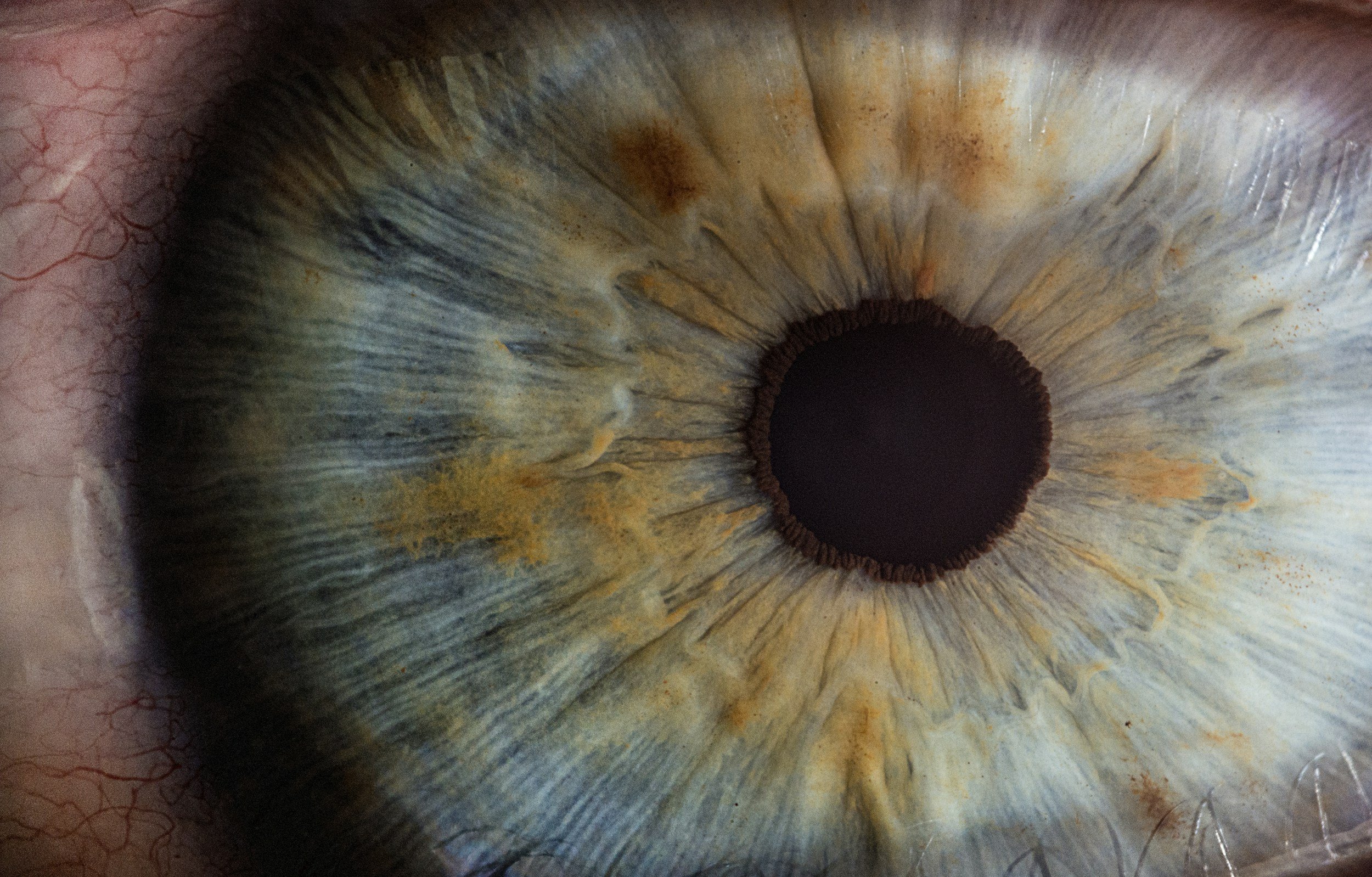
"The industry has spent decades improving the laser," says Dr. Moskowitz. "Better tracking, better ablation profiles, ray-tracing, AI, etc. But the flap is still there. And as long as the flap is there, it's still a cut cornea, and a cut cornea is a compromised cornea.”
EMR is a decade or more away from clinical use, if it gets there at all. But Dr. Moskowitz says that patients who want vision correction today without the risks of LASIK don't have to wait:
“The no-cut option already exists. It's called ASA,” said Dr. Moskowitz
The trade-off is recovery time: ASA takes five to seven days for functional vision, versus LASIK's same-day clarity. For Dr. Moskowitz, that tradeoff is rarely close.
"Imagine any other elective procedure on your body where you had two options," he says. "One permanently alters the structure of that body part and carries a much higher complication risk, but the recovery is faster. The other leaves the structure intact, achieves equal or better long-term outcomes, and costs you a week. I ask patients that question and they usually answer it themselves."
About Moskowitz Eye Care
Moskowitz Eye Care is a Manhattan-based ophthalmology practice led by Craig J. Moskowitz, MD, located at 114 East 72nd Street, New York, NY 10021. The practice specializes in Advanced Surface Ablation (ASA) for laser vision correction and offers comprehensive dry eye treatment including OptiLIGHT™ IPL therapy. Dr. Moskowitz offers free, no-pressure consultations.