
Why See an Eye Doctor for Your IPL Photofacial in NYC?
Skip the med spa and maximize the aesthetic benefits of IPL while eliminating the possibility of lackluster care or safety. Plus… it costs the same.
If you've been researching Photofacials in NYC, you've probably noticed that you can get them just about anywhere at this point — med spas, aesthetics studios, dermatology chains, and so on.
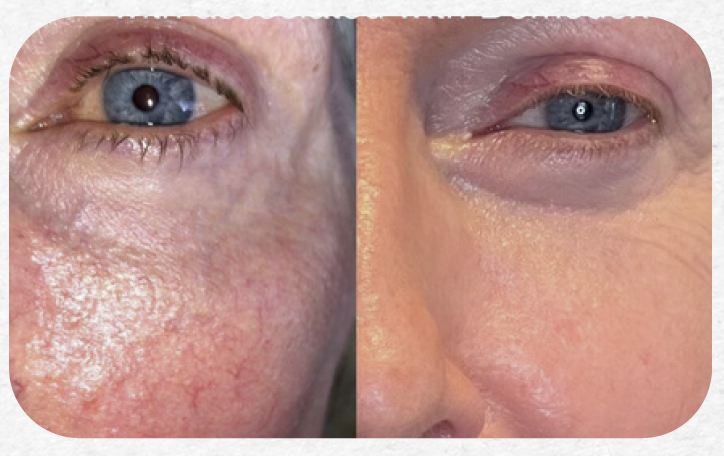
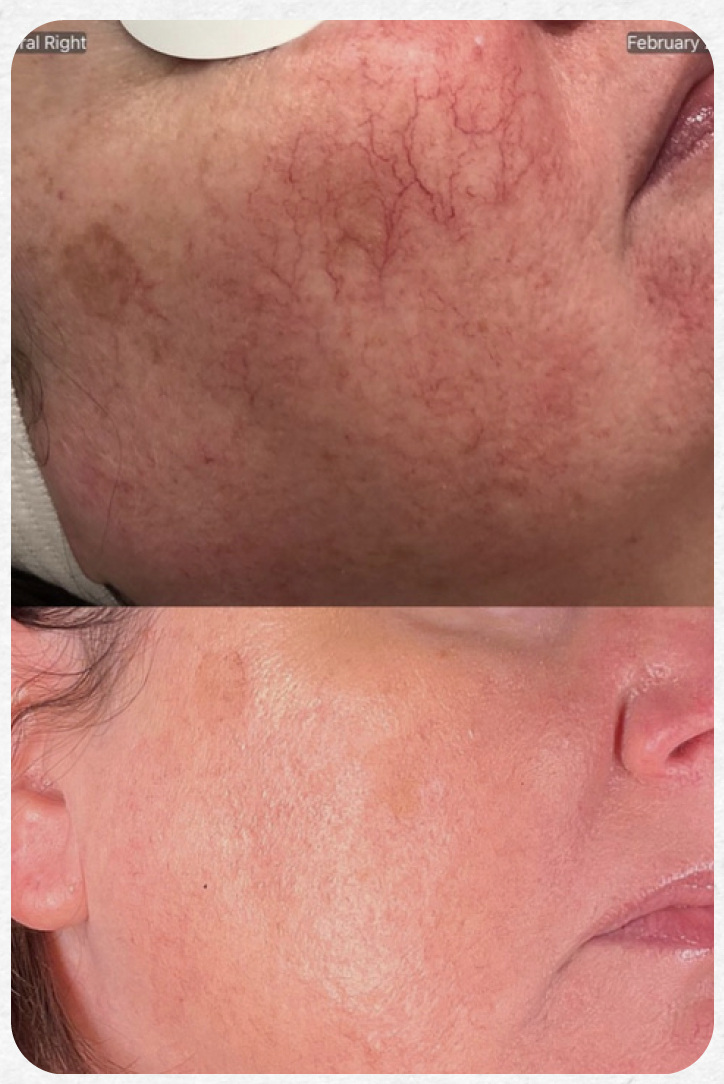
The pitch is consistent: IPL (Intense Pulsed Light) reduces redness, clears uneven skin tone, smooths texture, and fades visible blood vessels.
All of that is true: photofacials can meaningfully improve how your skin looks and treat dry eye.
What the med spa blogs and brochures don't tell you is that where you get your Photofacial done matters quite a bit.
How IPL Photofacials Work
The Photofacial You Know, and the One You Don't
The term photofacial describes cosmetic IPL as it's typically marketed: a skin-rejuvenating treatment aimed at pigmentation, sun damage, and redness. It's a real procedure with real results, and it's been performed in aesthetic settings for decades.
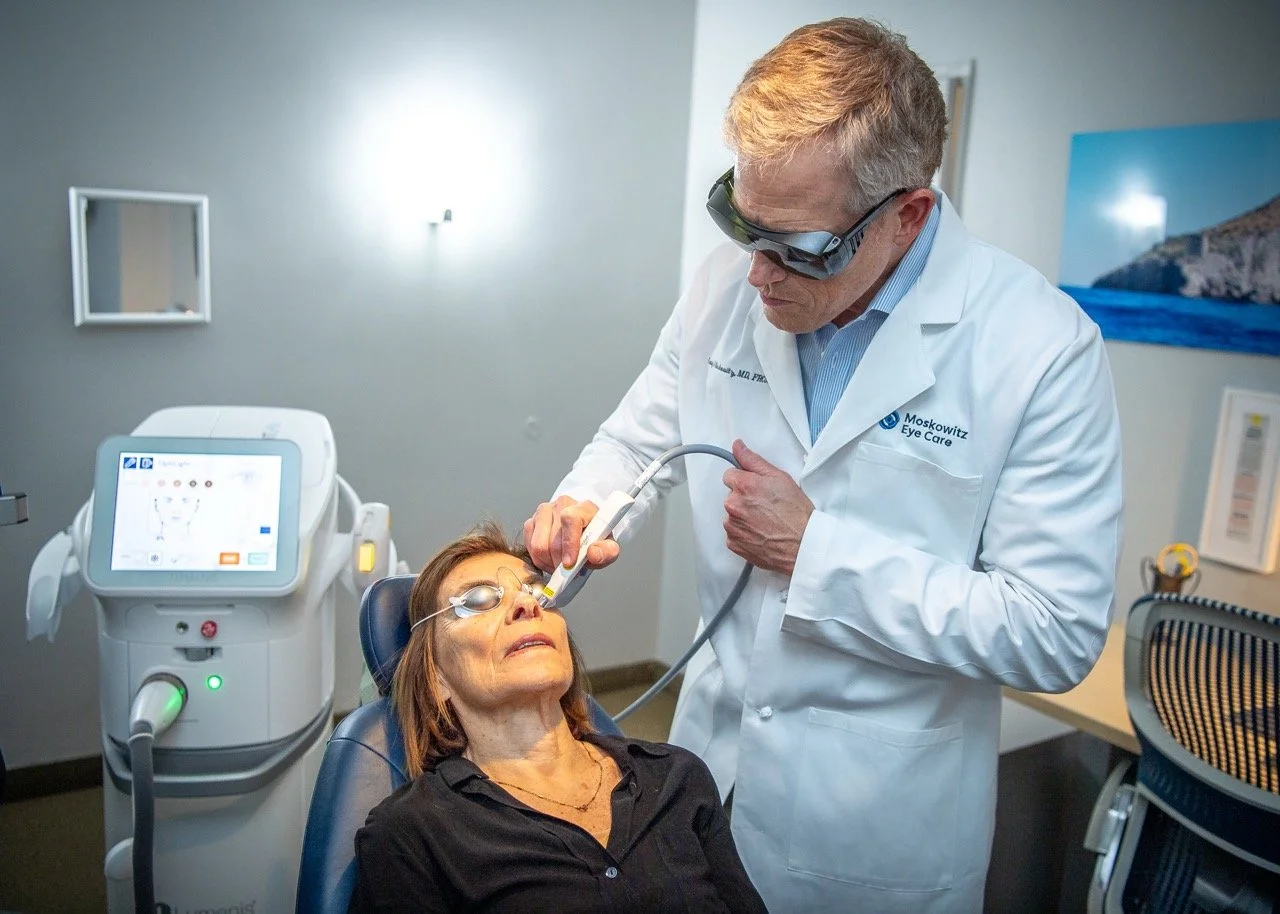
But IPL has a clinical dimension that the spa world rarely touches. The same core technology — controlled broad-spectrum light pulses delivered to the skin — is also an FDA-cleared medical treatment for dry eye disease. The device we use, OptiLIGHT, is specifically designed and calibrated for the periocular zone: the delicate skin around and beneath the eyes where cosmetic and medical concerns overlap most directly.
That overlap is exactly why where you go matters.
Near the Eyes, the Stakes Change
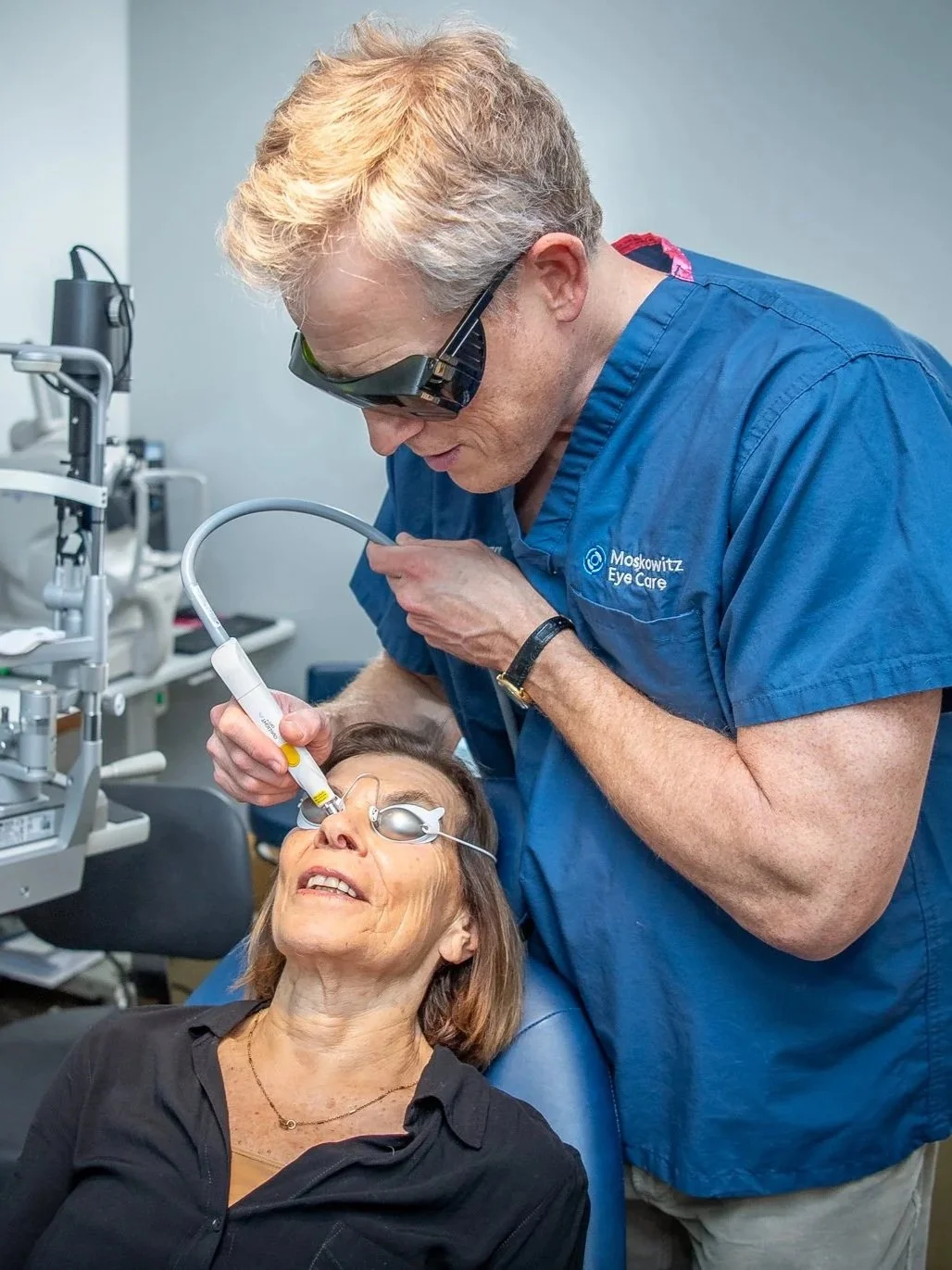
IPL near the eyes is a medical procedure, not a purely cosmetic one. The periocular skin is not the same as the cheek or the décolletage. It's thinner, more vascular, and — crucially — it sits adjacent to structures that are not forgiving of error.
Medical-grade ophthalmic IPL devices are built with ocular safety as a primary design constraint. Wavelengths, energy levels, and shielding are calibrated differently than the devices common in spa settings. A properly performed periocular photofacial requires specific eye protection, calibrated settings, and a provider who understands ocular anatomy and not just skin.
The risk of a poorly calibrated treatment near the eyes isn't a rash or some peeling. It's corneal exposure. It's burns to the eyelid margin. These are not hypothetical concerns – they're the reason the FDA cleared a distinct device category for ophthalmic IPL in the first place.
That said, risk minimization is just the floor here, not the ceiling. The more compelling argument for seeing an MD is what you actually gain.
With Medical Expertise, You Get the Aesthetic Benefits and More
Here's what I want to make clear, because I don't want this to read as purely cautionary: the cosmetic benefits of a medically-supervised photofacial are real, significant, and in many cases superior to what you'd get in a spa setting.

When IPL is delivered correctly in the periocular area, it:
Reduces visible blood vessels and surface redness
Improves skin tone and texture around the eyes
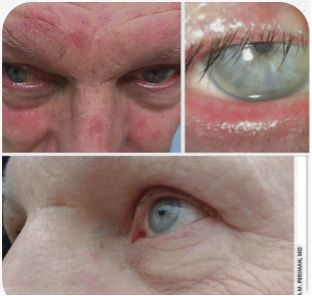
Diminishes flushing associated with rosacea
Reduces the appearance of chronic eyelid inflammation
Those are the same results you're looking for from a photofacial — but here, they're produced by a device and protocol optimized for the most sensitive area of the face, administered by someone trained in eyelid anatomy and ocular surface disease.
The aesthetic outcome isn't a consolation prize. For many of my patients — particularly those dealing with ocular rosacea — it's one of the most visible improvements they've experienced in years. The redness around their eyes, the persistent irritated look, the flushed eyelid margins: those are treatable. Effectively. And the periocular results you get from ophthalmic IPL are difficult to replicate with a standard photofacial device that isn't designed for that zone.
You Can't Effectively Treat What You Haven't Diagnosed
Here's where the medical setting creates a different category of value entirely.
When someone comes to me with chronically red, irritated eyes — or facial rosacea that's been unresponsive to topical treatments — I don't just point a device at them. I evaluate what's actually happening: meibomian gland function, tear film quality, eyelid anatomy, signs of Demodex mite infestation.
All of those things can look like redness or irritation from the outside. None of them respond identically to the same photofacial protocol. And several of them require IPL to be clinically effective at all.
As I've written in Punctal Plugs vs. IPL, the dominant driver of chronic dry eye is Meibomian Gland Dysfunction — where the oil-producing glands along the eyelid margin become blocked and inflamed. The result is a tear film that can't protect the ocular surface, regardless of how many drops you use. OptiLIGHT IPL opens those glands and resolves the inflammation at its source.
An aesthetician performing a photofacial cannot diagnose MGD. They can't evaluate your meibomian glands, assess your tear breakup time, or recognize that the redness around your eyes is ocular rosacea actively destroying your gland function. They're working from the outside in — and for anything involving eye function, that's the wrong direction.
Rosacea Patients Get This Most Clearly
Rosacea is the condition where the photofacial-versus-medical-IPL distinction becomes most concrete.
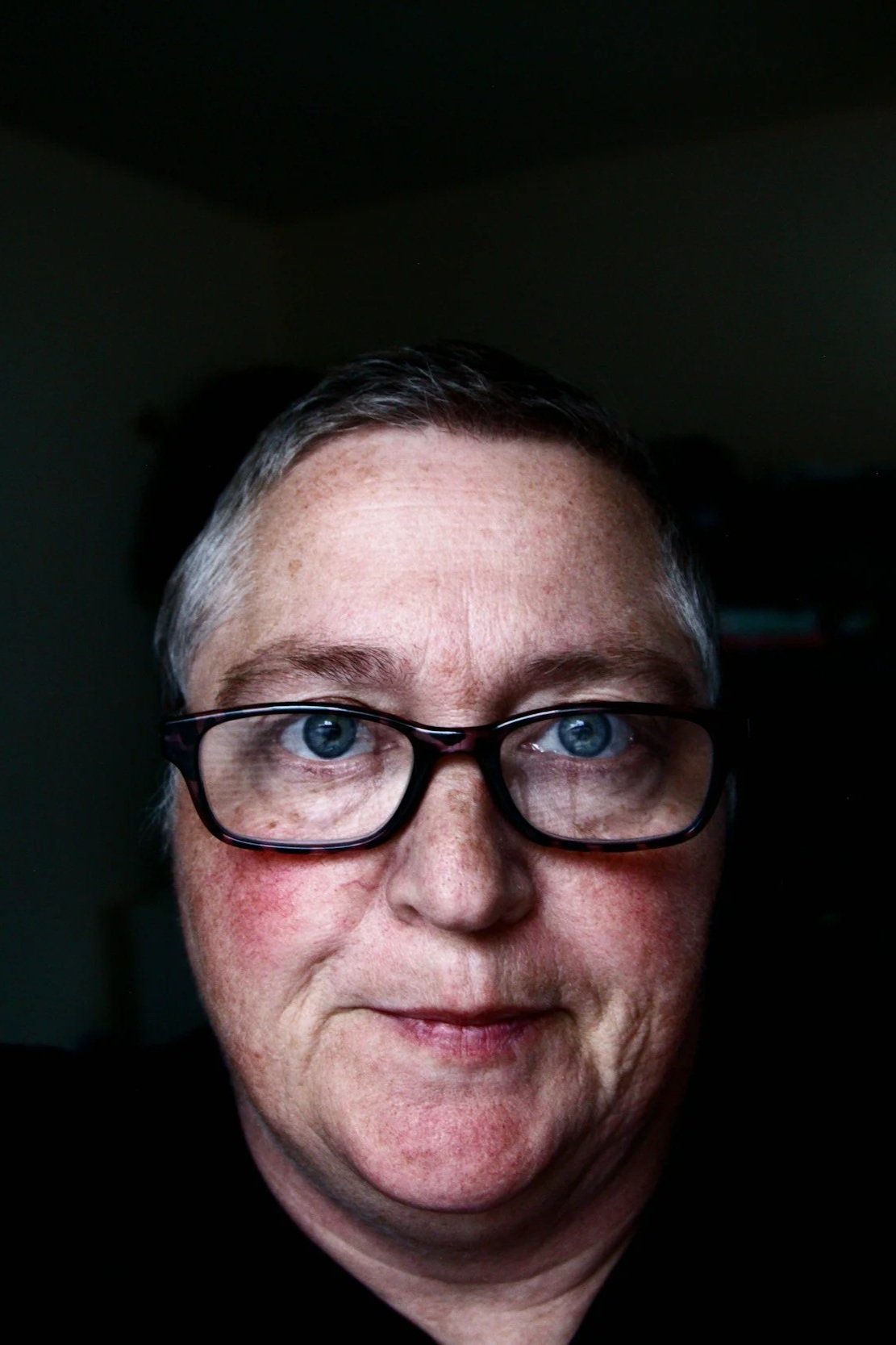
The classic presentation — cheek flushing, visible vessels, persistent redness — is what most people bring to an aesthetician or a spa. A photofacial for cosmetic rosacea can meaningfully reduce visible redness and surface vessels. That's a legitimate result.
But rosacea frequently involves the eyelids. Ocular rosacea causes chronic inflammation along the eyelid margins, blocks meibomian glands, and leads to evaporative dry eye that compounds over time. As I've described in our rosacea treatment post, the periocular disease is what's silently degrading your gland function — and a spa photofacial won't touch it.
You can walk out with a clearer complexion and leave the underlying problem completely unaddressed.
What a Medical Setting Actually Gives You
When you see me for dry eye treatment, I'm not just running a device protocol. I'm adjusting your treatment based on your response, and watching for findings that might point toward something else — whether that's an eyelid laxity issue suited for OptiLIFT, a medication interaction, or a referral.
After each photofacial treatment, I am actually manually expressing lipids and oils from the glands on the eyelids.
Med spas don't offer that. They offer a limited service in a vacuum. There's a meaningful difference between a service and a treatment plan, and your eyes are worth the latter!
That's the same philosophy behind everything we do here: from recommending ASA over LASIK to building our dry eye clinic around the most clinically effective tools available.
Bottom Line
If you want a photofacial for purely cosmetic purposes — pigmentation, sun damage on the chest or cheeks, general skin tone — a qualified dermatologist or supervised aesthetician in a reputable setting may be fine.
But if you are looking for cosmetic benefits and also have dry eye symptoms, chronic eyelid redness, ocular rosacea, or anything that involves the function of your eyes alongside the appearance of your skin? You should see a physician who treats eyes too. You'll get the aesthetic results you're looking for and a lot more beyond that.
Schedule a consultation at our Upper East Side, NYC office by clicking the button below.